Silan: A safehouse for FGM affected girls
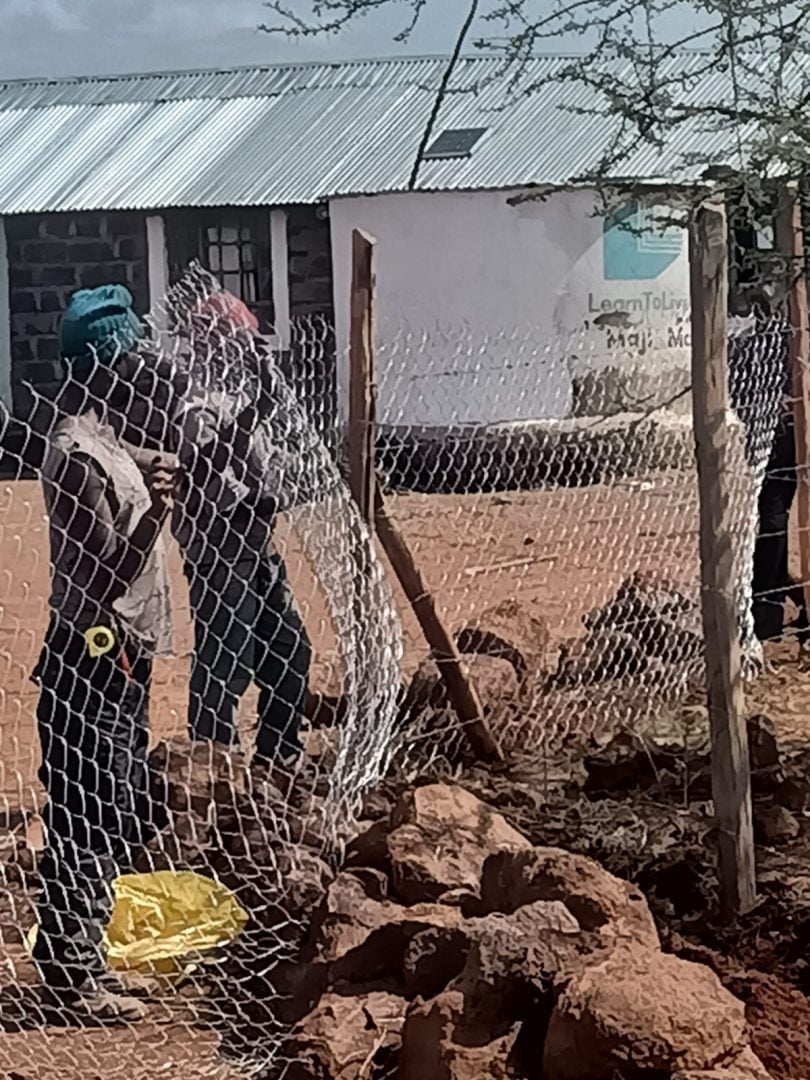
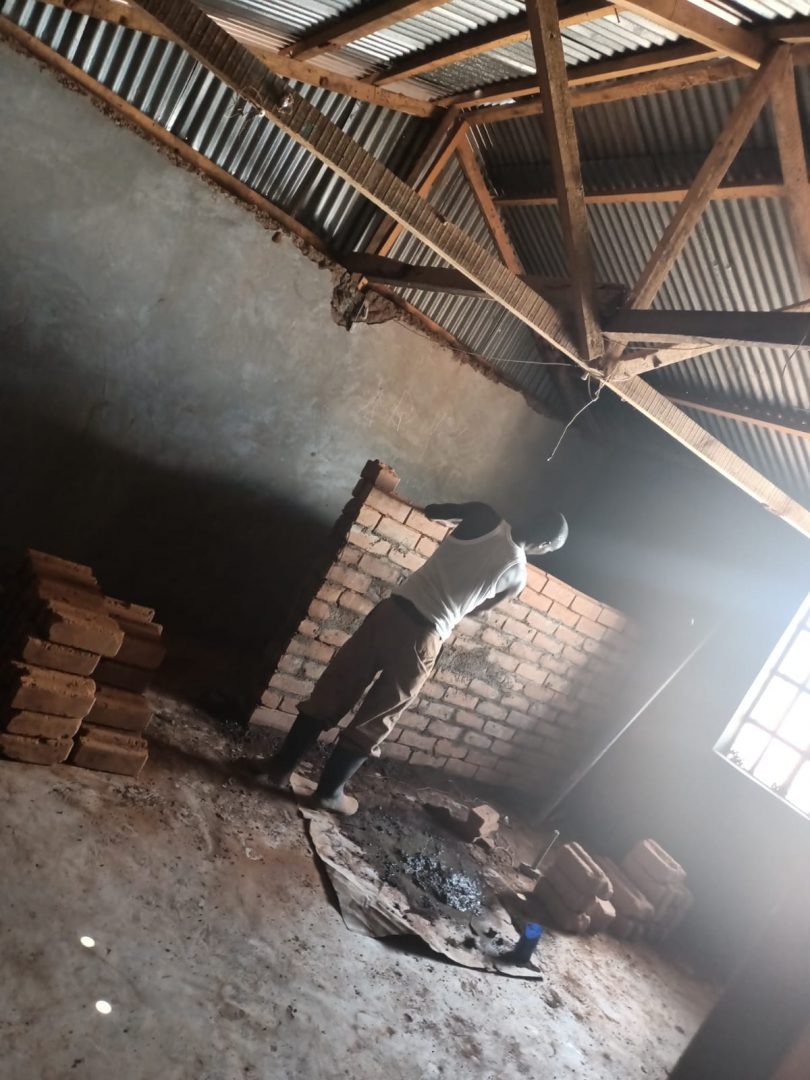
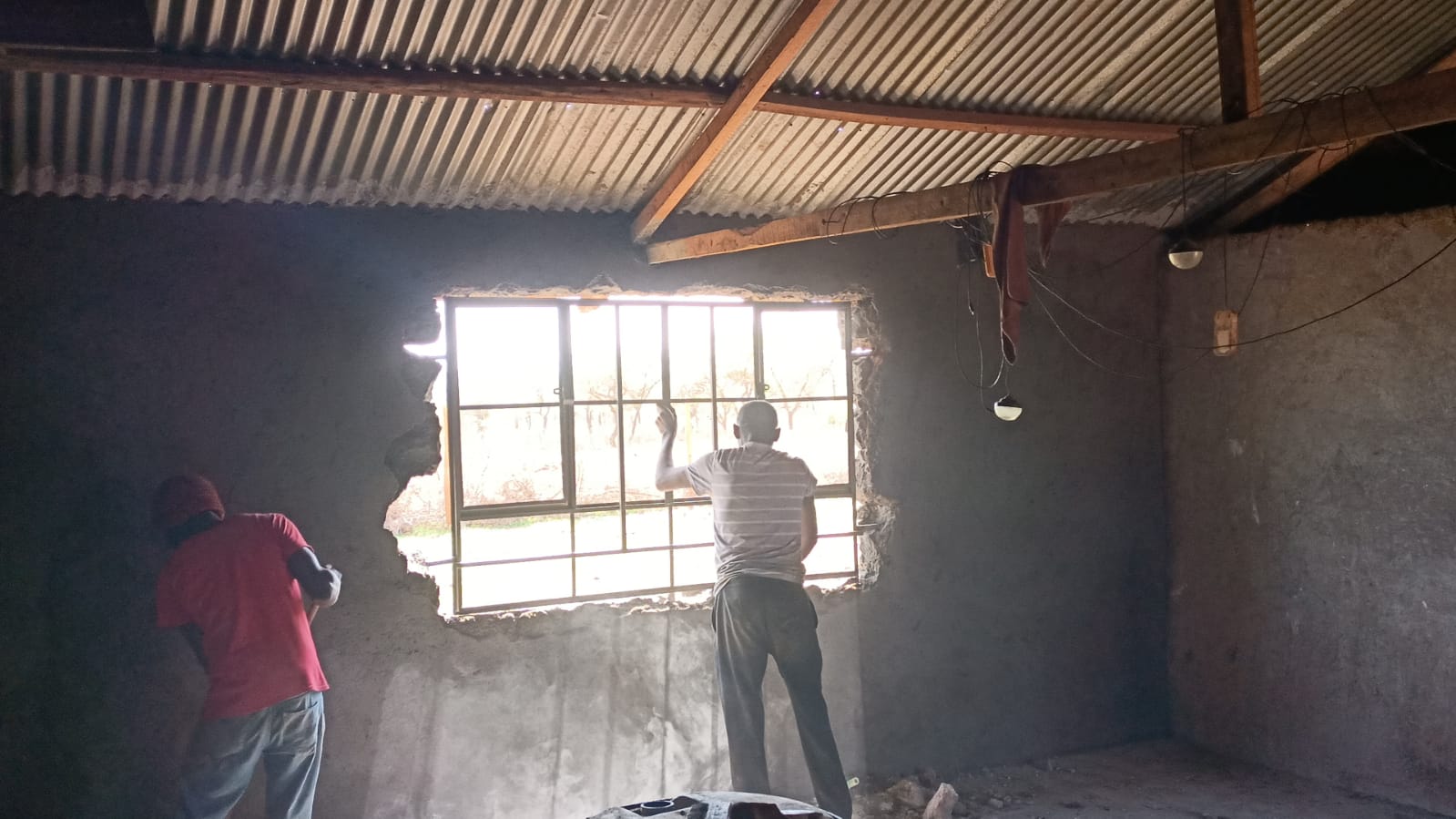
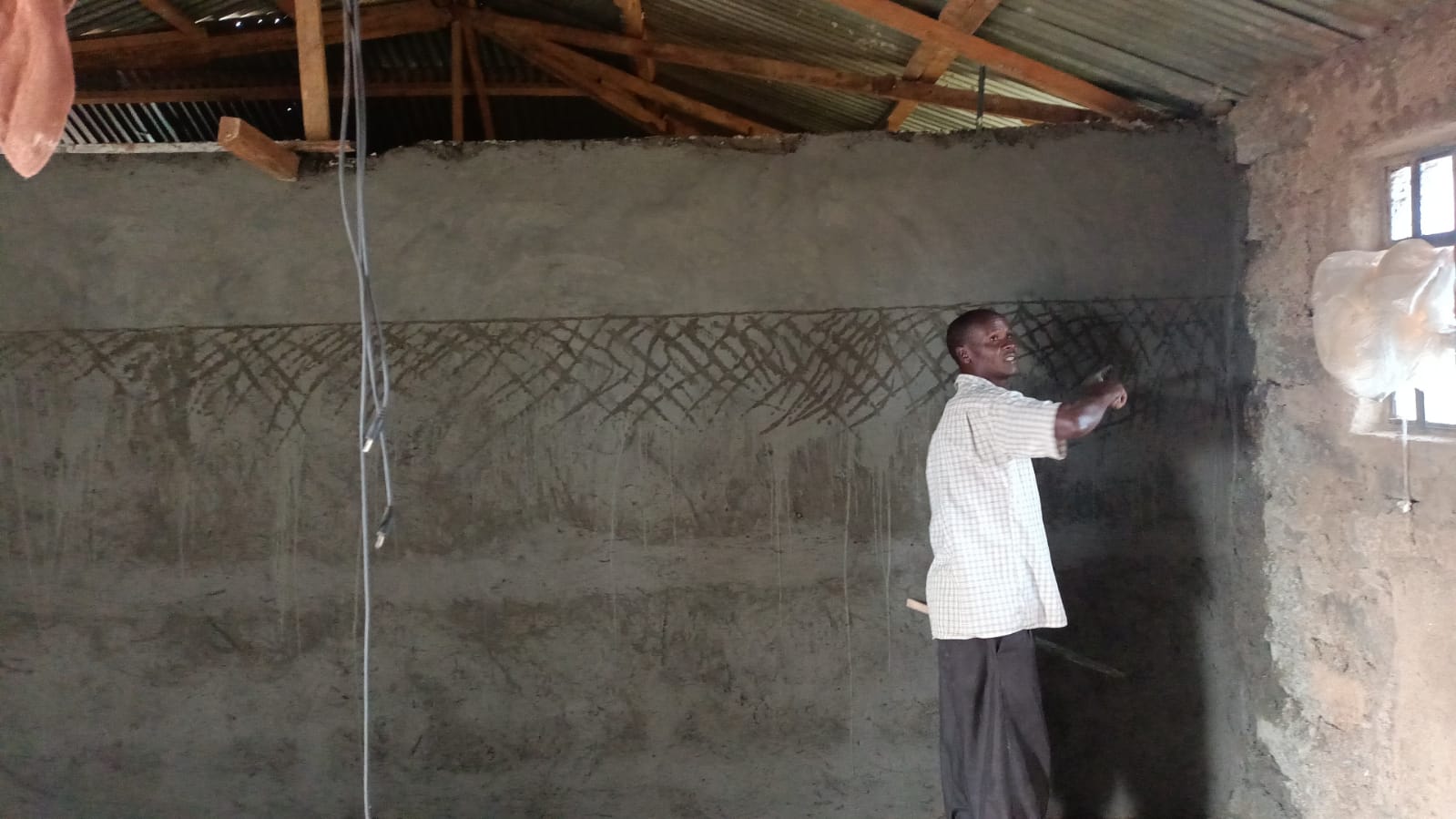
Silan means girls in Maasai. This is intended to be a transitional shelter to provide protection against or recovery for girls rescued from female genital mutilation. FGM is usually a precursor to forced early marriage and pregnancy.
The safehouse is a transitional shelter to provide protection or recovery space for girls rescued from female genital mutilation. FGM is usually a precursor to forced early marriage and pregnancy in Maasai culture.
Dubbed Silan, it will offer various educational components for the 50 it can accommodate:
Basic education – This will be based on the government-offered alternative education curriculum. Four levels of math, English and Swahili courses correspond with primary school grades 1-8. The final
level prepares participants for the Kenya Certificate for Primary Education (KCPE).
Life skills - Training in health, human rights and leadership will be structured so girls gain self-confidence and a voice in decisions that affect their lives. Topics will include, for example, sexual and
reproductive health, gender-based violence prevention and response, HIV/AIDS prevention and community collaboration.
Vocational training - A seven-month tailoring course builds skills in measuring and cutting fabrics and hand and machine stitching. Afterward there is the possibility of entering our women's group program, one aspect of which is generating income from Maasai beadwork and textiles.
NaariSamata was a fiscal sponsor for phase I of one such safehouse. We hope to work with other organisations to work on similar projects.
Key facts
- Female genital mutilation (FGM) involves the partial or total removal of external female genitalia or other injury to the female genital organs for non-medical reasons.
- The practice has no health benefits for girls and women.
- FGM can cause severe bleeding and problems urinating, and later cysts, infections, as well as complications in childbirth and increased risk of new born deaths.
- More than 200 million girls and women alive today have been cut in 30 countries in Africa, the Middle East and Asia where FGM is concentrated (1).
- FGM is mostly carried out on young girls between infancy and age 15.
- FGM is a violation of the human rights of girls and women.
- WHO is opposed to all forms of FGM, and is opposed to health care providers performing FGM (medicalization of FGM).
- Treatment of health complications of FGM in 27 high prevalence countries costs 1.4 billion USD per year.
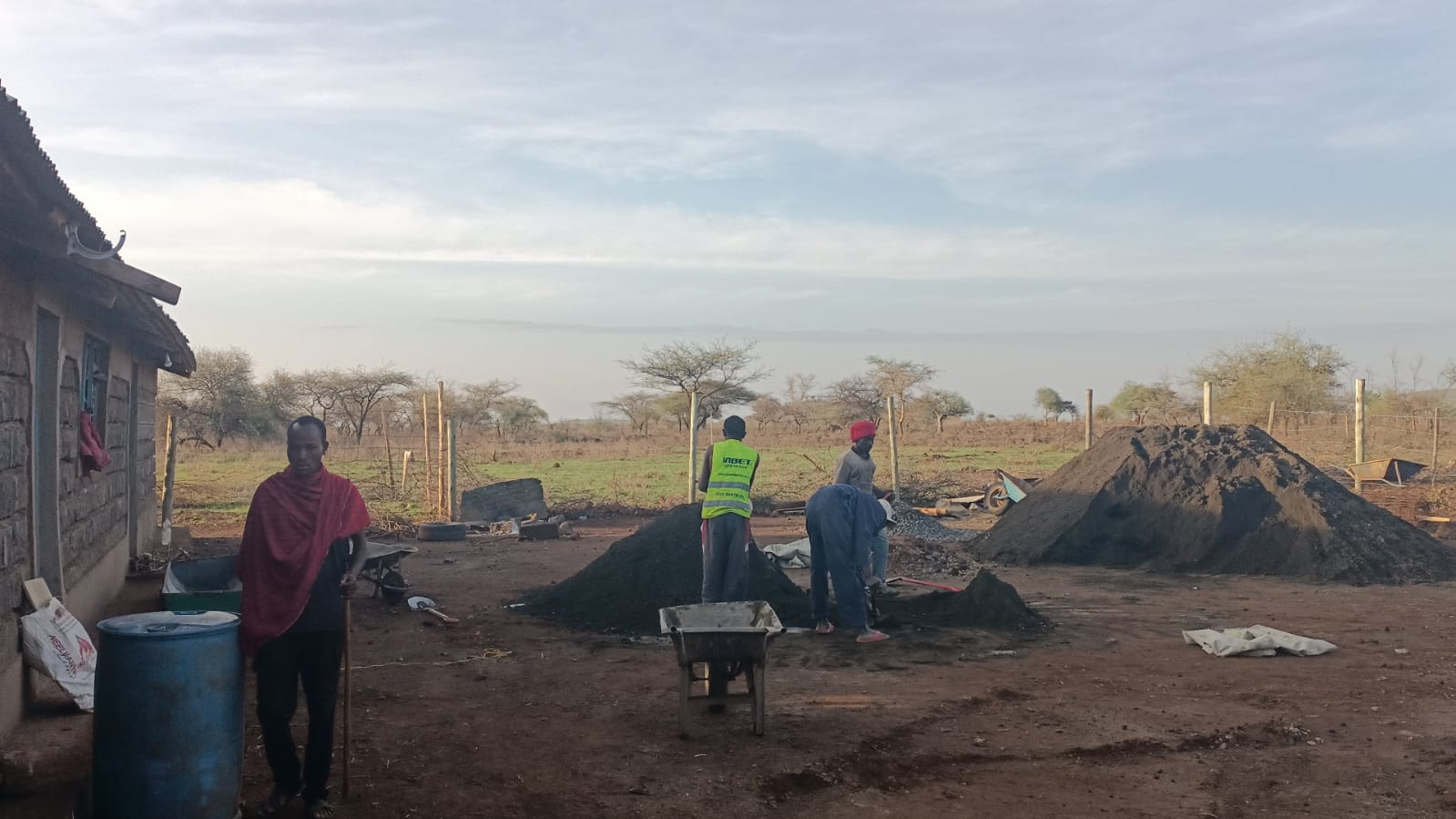
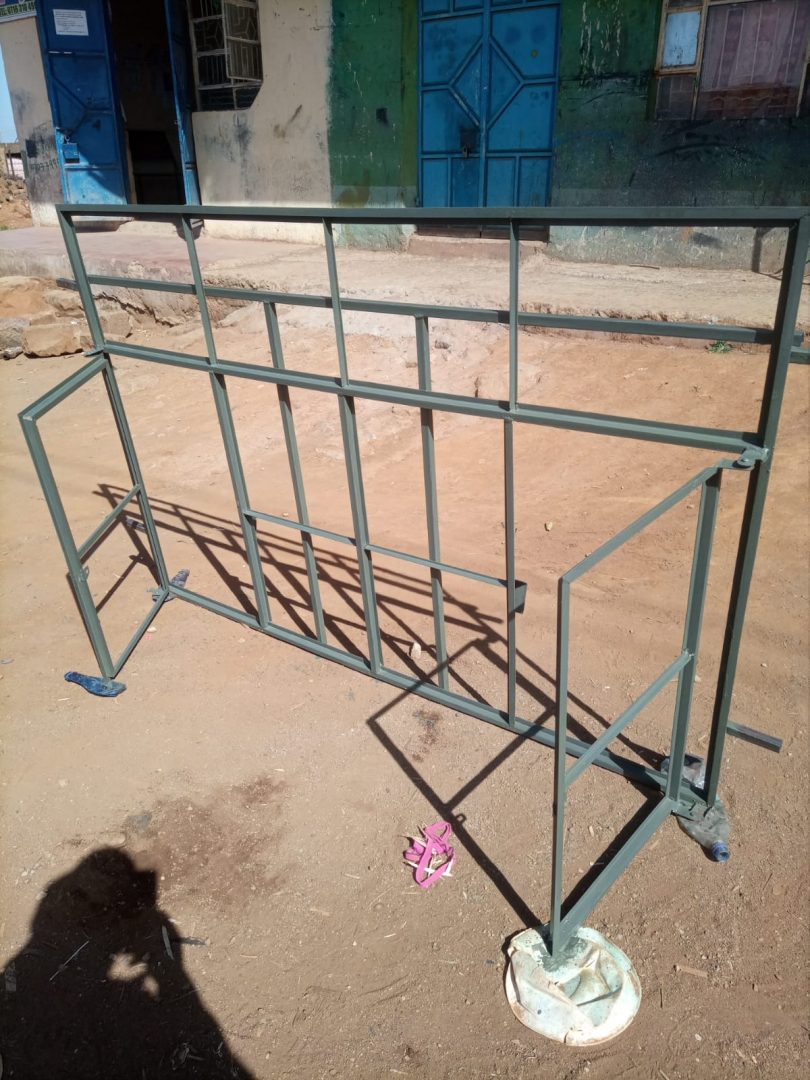
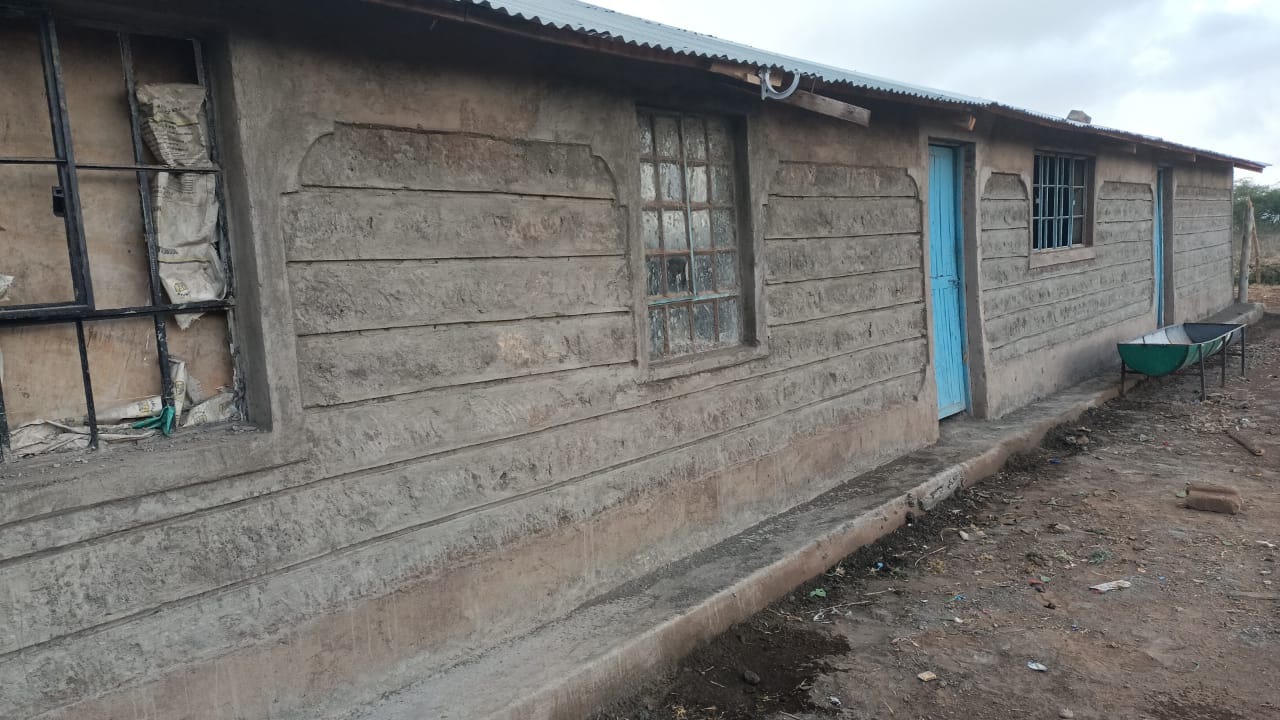
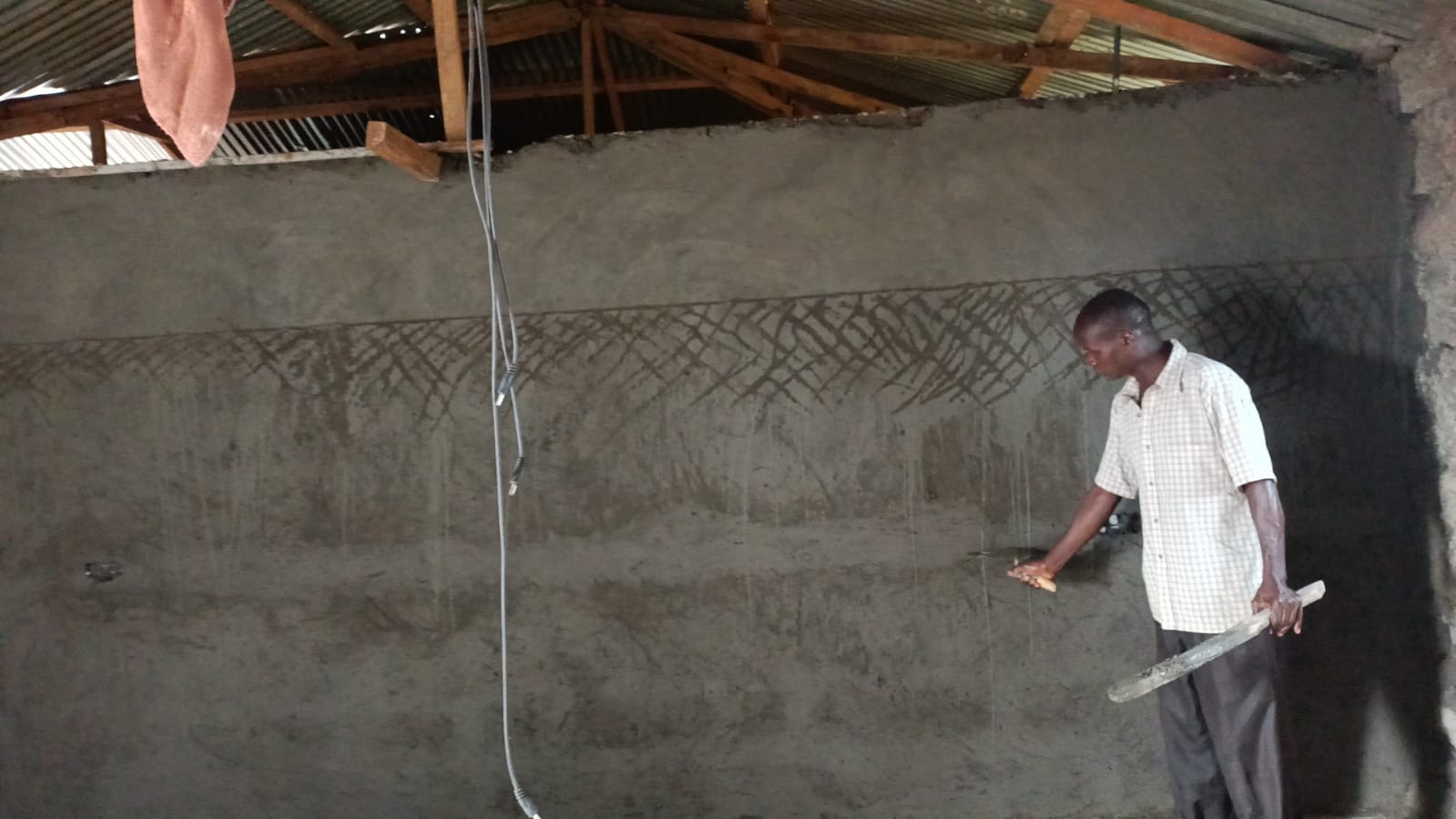
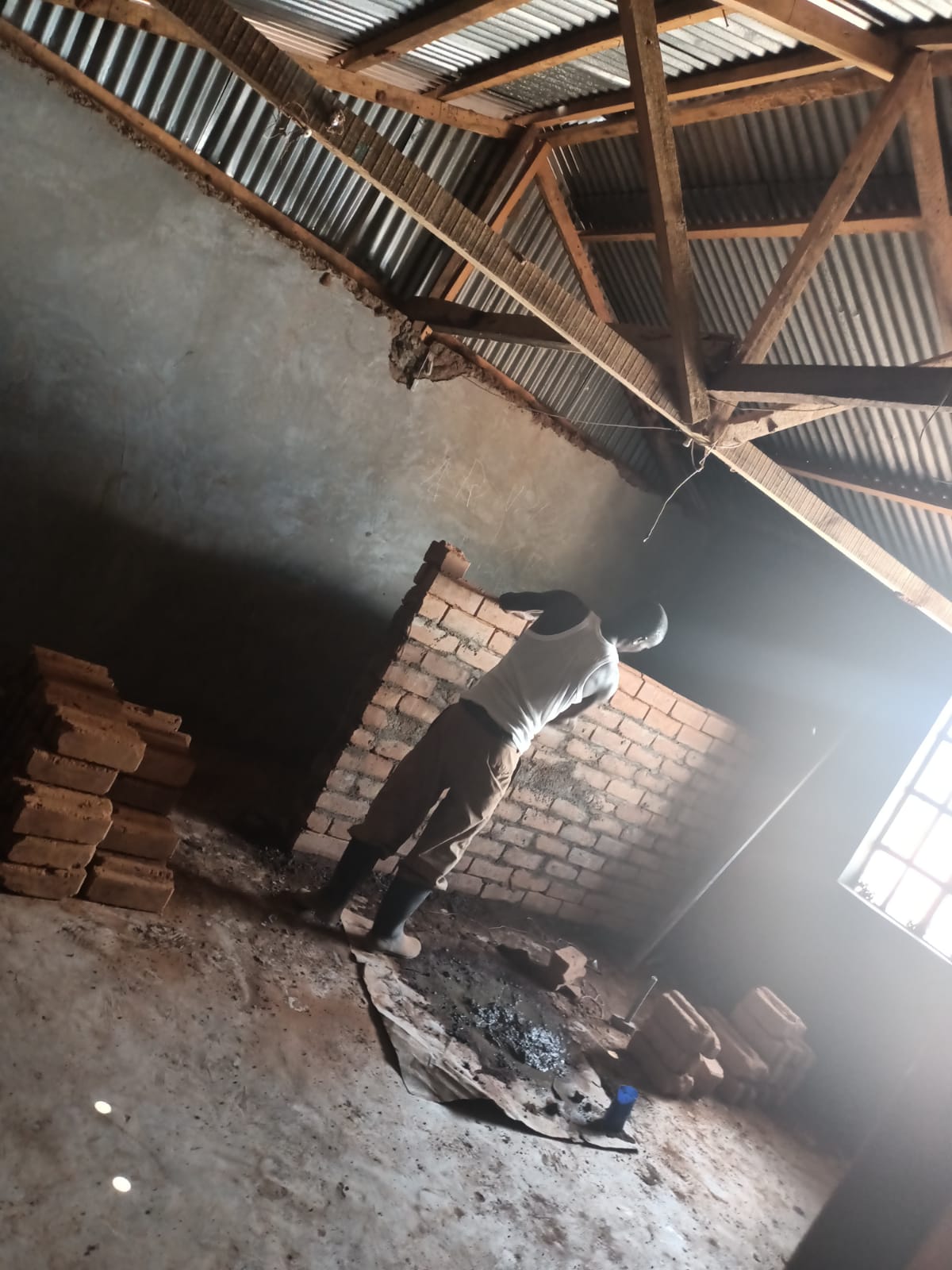
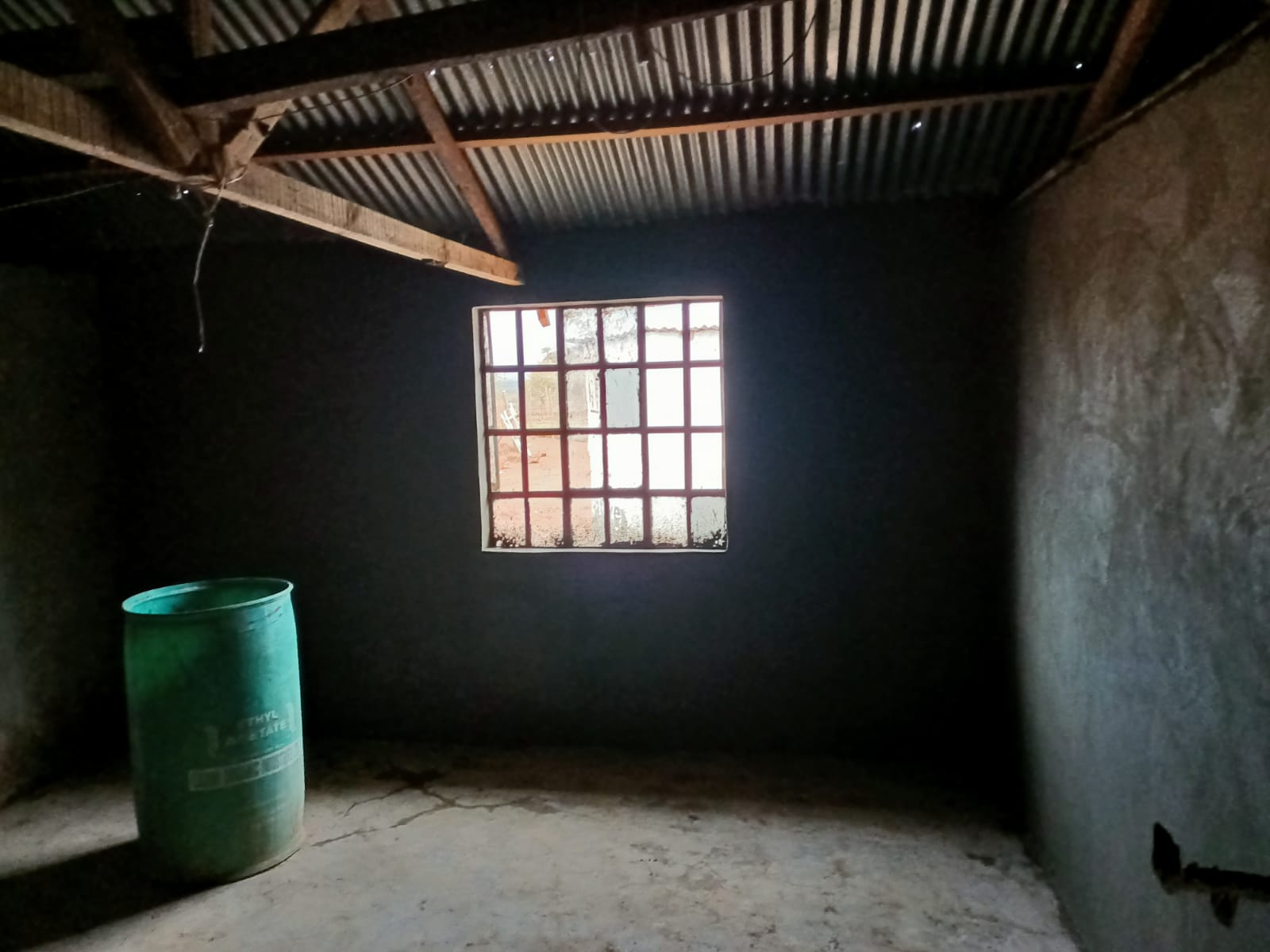
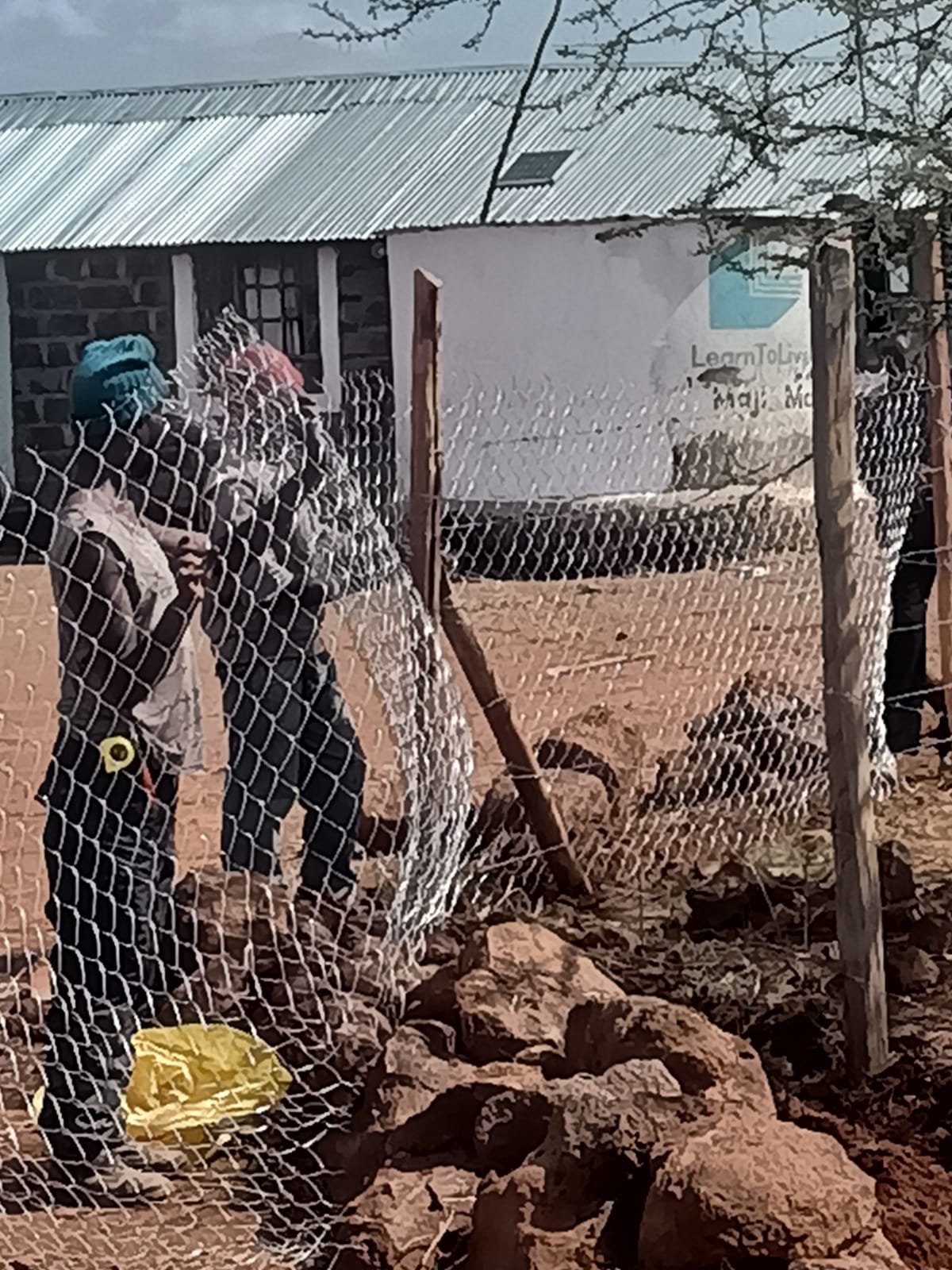
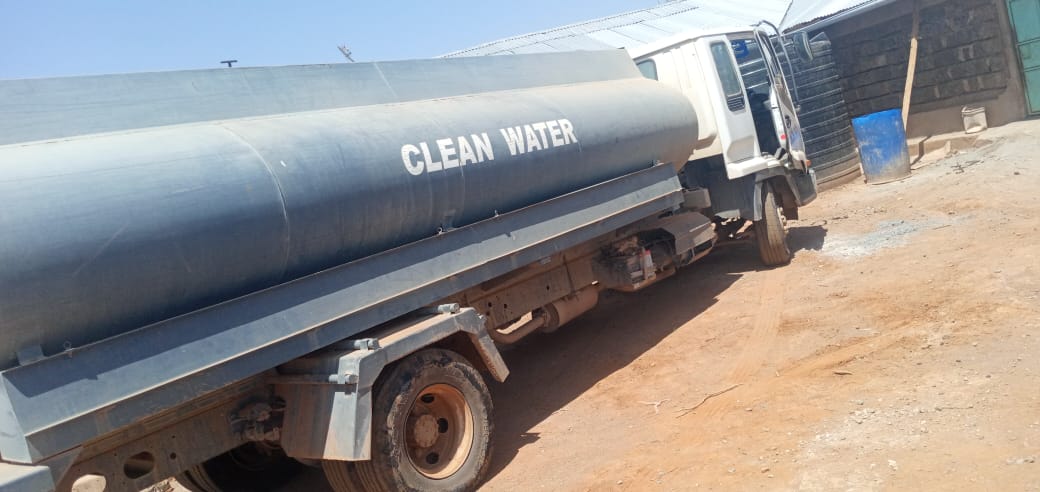
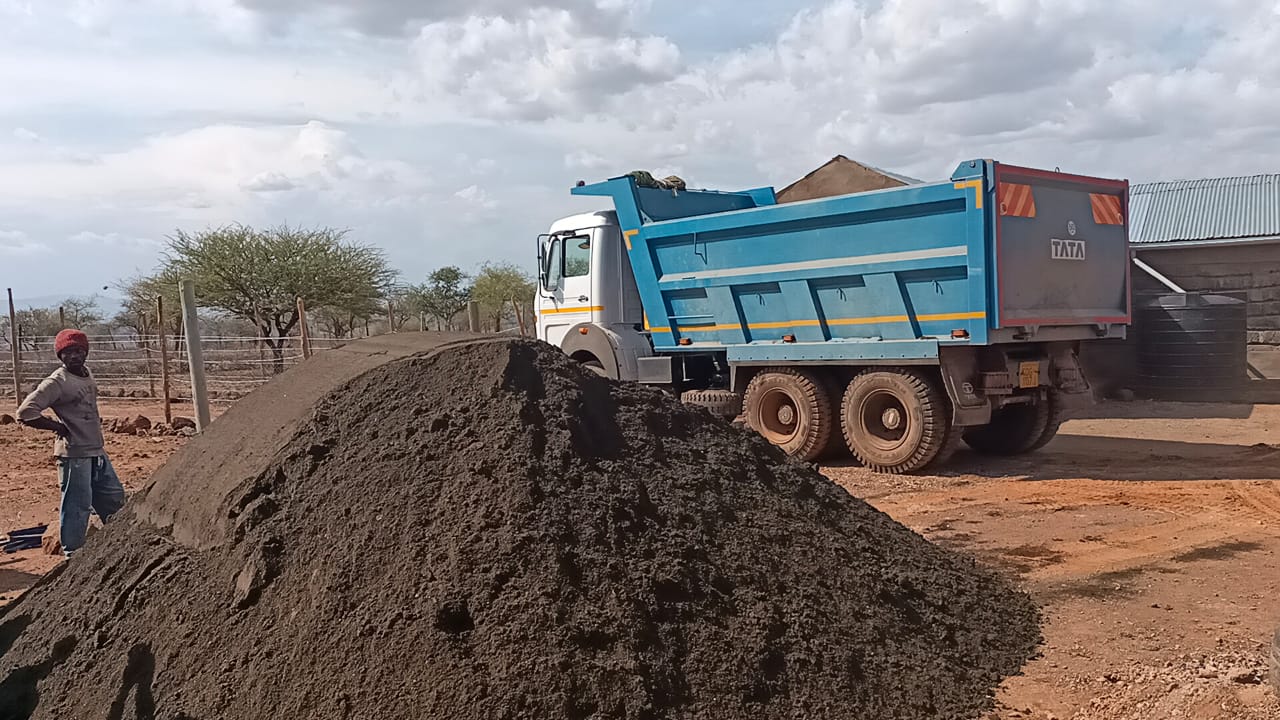
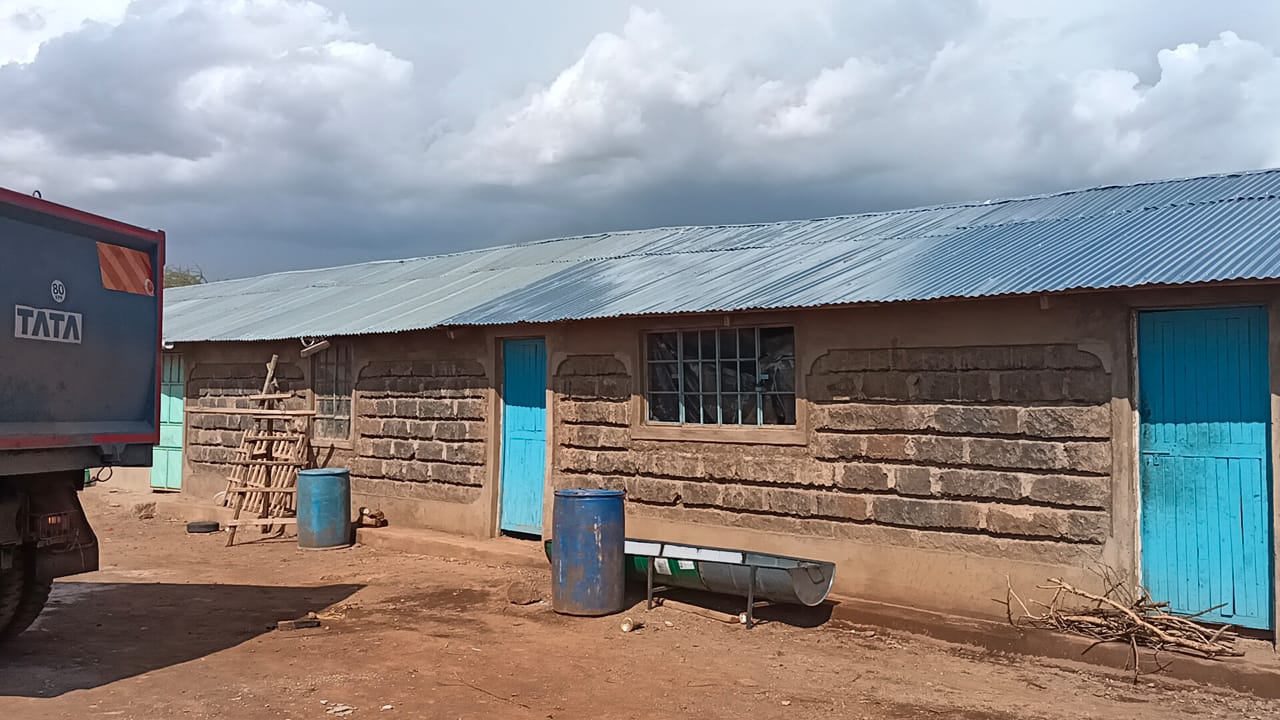
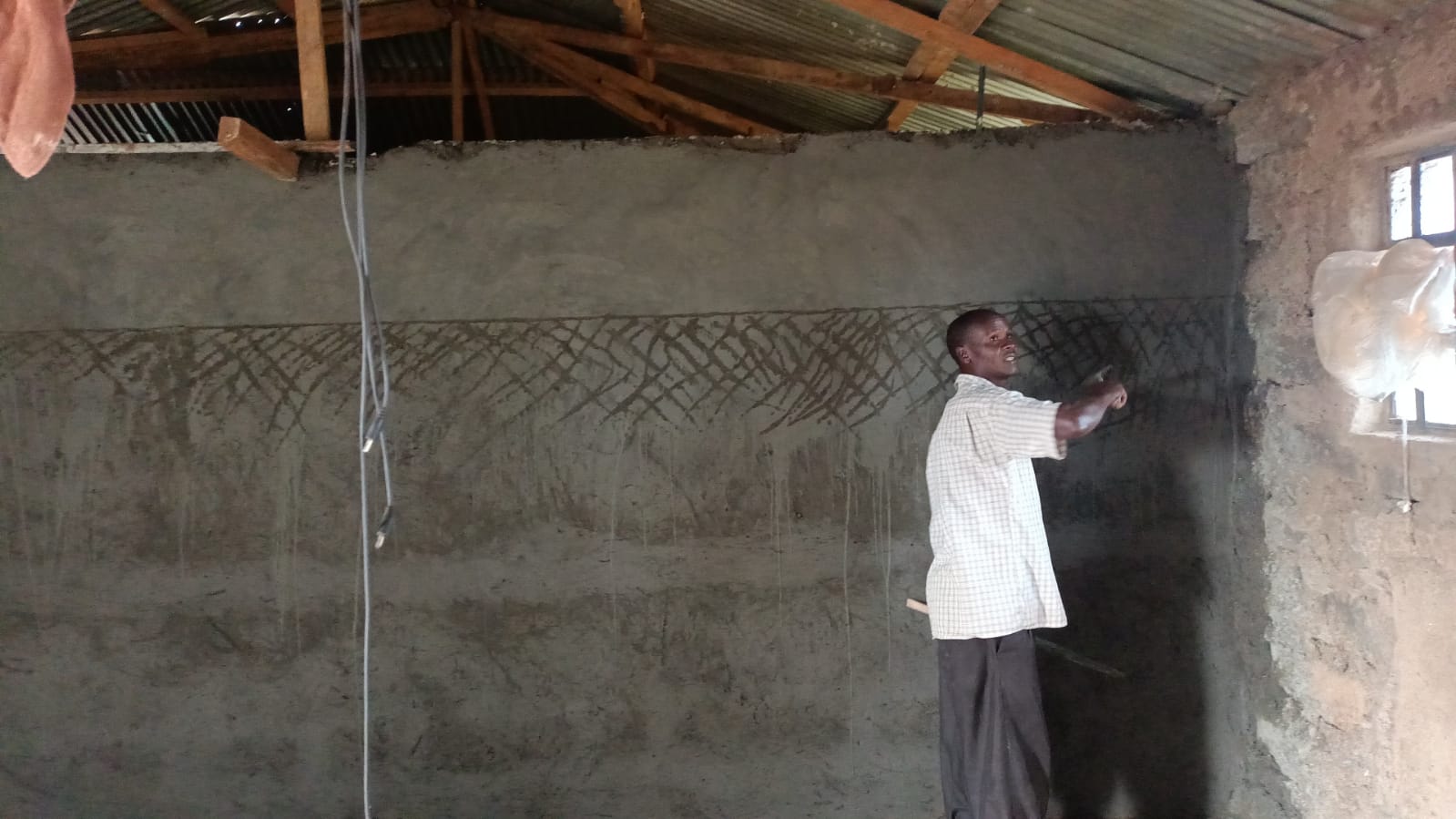
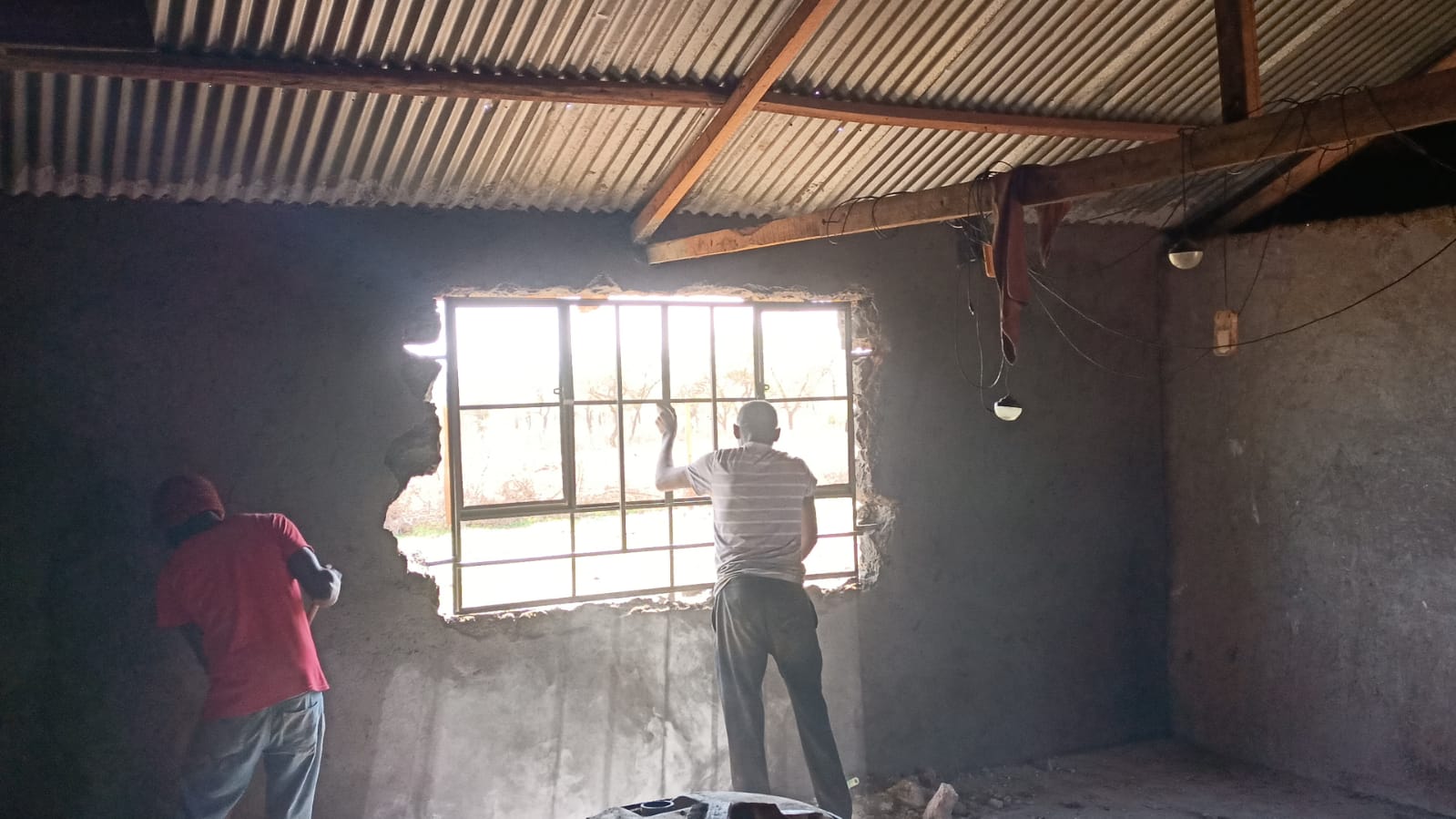
Progress at the Site...